The Power of a Combined SEO and PPC Strategy
SEO builds long-term organic authority and sustainable traffic, PPC delivers immediate visibility and precise targeting. Run them together instead of separately and you cover more of the search results page, capture a wider audience, and get real data from one channel that makes the other one better.
Key Benefits of Combining Them
More SERP Real Estate
Showing up in both the organic listings and a paid ad for the same keyword means your brand occupies more of the page. People notice a name they see twice, and it builds trust before they've even clicked.
Speed Now, Authority Later
PPC gets you traffic and leads immediately while you wait on SEO to compound, which typically takes months. You are not choosing between fast results and durable growth, you get both running at once.
Real Data Feeding Both Channels
PPC tells you almost instantly which keywords actually convert, that data should directly shape what you write content around for SEO. Going the other way, your organic search data in Google Analytics often surfaces keyword opportunities worth testing with paid ads too.
Practical Ways to Actually Integrate Them
Shared Keyword Research
Use PPC to test commercial intent and conversion rate on new keywords fast, then prioritize the winners for long-term SEO content. High-volume organic keywords, in turn, are worth testing in paid campaigns for broader reach.
Retarget Your Organic Visitors
Someone lands on a service page organically and doesn't convert, that's not a dead end, it's a retargeting opportunity. A specific PPC ad aimed at exactly that visitor later brings them back with a much warmer intent than a cold click would.
Let Ad Copy Inform Your Content
PPC tells you which headlines and calls to action actually get clicks, in near real time. Feed those insights into your meta descriptions and on-page content, you're testing messaging on paid traffic before committing to it organically.
Protect Your Brand Keywords
Ranking organically for your own brand name doesn't mean you should skip PPC on it. A competitor bidding on your name can otherwise show up above you, running your own brand ads keeps that real estate yours and lets you control the exact message and landing page.
Where This Gets Hard
Budget allocation is the real challenge, there's no universal split. A reasonable starting point: PPC toward high-intent, competitive keywords for immediate results, SEO toward broader long-tail terms that build authority over time, then adjust based on actual ROI from each channel. The other common failure mode is inconsistent messaging, your ad copy, landing pages, and organic content all need to sound like the same brand, not three different ones.
Measuring the Combined Impact
Track conversions from both channels separately, but pay real attention to the overlap, how many people click a paid ad and convert later through an organic search, or vice versa. The real measure of success is total ROI across both channels combined, not either one in isolation.
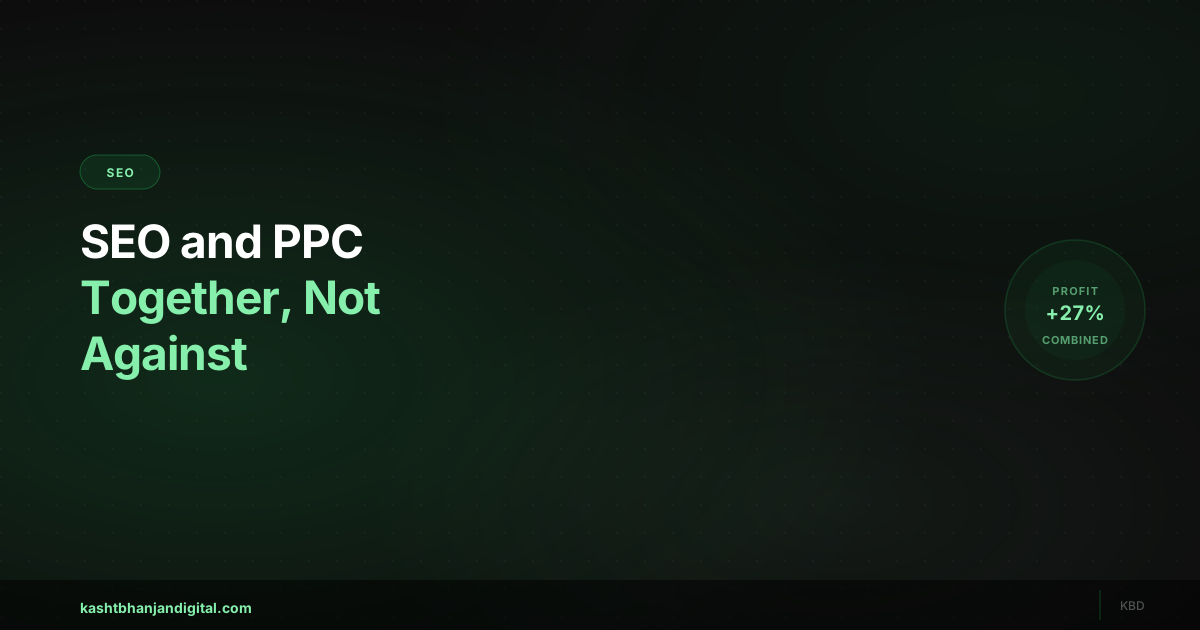
A genuinely integrated SEO and PPC strategy can deliver up to a 27% increase in profit compared to running the two channels separately.
Frequently Asked Questions
How do you actually use PPC and SEO together?
Share keyword research between the two, use PPC to test which keywords actually convert before investing in SEO content for them, retarget organic visitors with paid ads, and let ad copy performance inform your on-page content.
Is SEO or PPC actually better?
Neither, they're complementary. SEO builds durable, long-term organic traffic and authority, PPC gives you immediate visibility and precise targeting. The strongest strategy runs both.
What's the actual difference between SEO and PPC keywords?
SEO keywords tend to target broader, informational searches with a longer view. PPC keywords are usually bid on for immediate, high commercial intent searches where someone is close to a purchase decision.
How do you split budget between the two?
A reasonable starting point is PPC toward competitive, high-intent terms for immediate results, and SEO investment toward broader long-tail keywords that compound over time, adjusted regularly based on actual ROI per channel.
Why run paid ads on my own brand name if I already rank organically for it?
To keep competitors from bidding on your name and appearing above your organic listing, and to control the exact message and landing page a searcher sees for your highest-intent search term.
How should I measure success across both channels?
Track conversions per channel, but focus on total combined ROI and cross-channel overlap, like paid clicks that convert later through organic search, rather than judging either channel in isolation.
Partner with Kashtbhanjan Digital
Kashtbhanjan Digital builds integrated SEO and PPC strategies where the two channels actually inform each other, not two separate teams running in silos.
Select your location below for country-specific SEO pricing and packages.
India
Affordable, full-service SEO for Indian small businesses.
View India services →United Kingdom
SEO services for UK businesses at below-market rates.
View UK services →Germany
SEO for German companies, DACH market specialists.
View Germany services →Australia
SEO packages for Australian small businesses and enterprises.
View Australia services →Canada
SEO services for Canadian businesses, budget friendly pricing.
View Canada services →New York
SEO for New York small businesses and growing companies.
View New York services →New Jersey
SEO packages for New Jersey small businesses.
View New Jersey services →Contact Kashtbhanjan Digital to talk through a combined strategy for your business, or read our guide on how SEO is evolving in 2026.